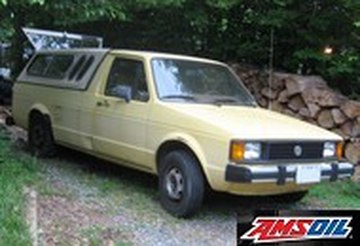
Lubrication Maintenance for the 1982 Volkswagen PICKUP 1.7L
Maintaining the engine lubrication system in a 1982 Volkswagen PICKUP with the 1.7L [A] EN engine is a fundamental aspect of long-term vehicle stewardship. Proper oil management ensures that internal components remain protected against friction and heat, which is essential for any vehicle that has been in operation for several decades. Because older engines often exhibit different wear patterns than modern counterparts, a proactive approach to monitoring fluid condition and system integrity is highly beneficial.
Monitoring Fluid Condition and Potential Leaks
One of the most effective ways to monitor the health of your 1.7L engine is through regular visual inspections. Over time, various seals and gaskets may undergo changes in elasticity due to heat cycles and age. It is useful to periodically inspect the area around the engine for any signs of fluid seepage or active leakage. Finding evidence of oil residue on the exterior of the engine block or near sealing surfaces can provide an early indication that a component may require attention.
When performing these inspections, look for:
- Dampness or oily residue around various engine junctions and covers.
- Accumulations of dirt or grime that appear "wet," which often indicates slow seepage.
- Puddles or spots on the ground beneath where the vehicle is parked.
If you notice a change in the appearance of the oil—such as an unusual color, a cloudy texture, or a strong odor—this warrants further investigation. Changes in lubricant appearance can be associated with various factors, including contamination or the presence of other fluids. Addressing these observations early can help prevent more significant mechanical issues down the road.
Prioritizing Maintenance Based on Current Condition
For owners of a 1982 Volkswagen PICKUP, effective maintenance often means moving away from rigid schedules and instead focusing on the actual condition of the vehicle. If you have recently acquired this vehicle and do not have access to a comprehensive service history, establishing a maintenance baseline is a logical first step. This involves performing a thorough inspection of all fluids and checking for any immediate needs, such as overdue oil changes or aging components.
When deciding which tasks to address first, prioritize active concerns. An active leak or a noticeable change in how the engine operates should take precedence over general preventive measures. Reviewing any available repair records can also provide context regarding what has been replaced recently and what might be approaching the end of its service life. This condition-based approach allows you to allocate resources effectively, focusing on what the specific 1.7L engine needs at this moment rather than following a generic checklist.
Observing Potential Warning Signs
While many lubrication issues can be caught during routine inspections, some may manifest through more obvious symptoms. It is important to remain observant of how the vehicle behaves during operation. For example, if you notice an unusual mechanical noise that seems related to the engine's internal operation, or if you observe changes in exhaust characteristics, these should not be ignored.
It is vital to remember that a single symptom can have multiple underlying causes. An unusual odor or a change in how the engine sounds may indicate several different things, ranging from simple external leaks to more complex internal matters. Rather than attempting to diagnose a specific component based on a single observation, these signs should be treated as prompts for a professional inspection. Promptly investigating such occurrences is a key part of responsible ownership.
Managing Aging Components and Materials
As vehicles age, the materials used in their construction—such as rubber hoses, various seals, and electrical connections—can undergo natural degradation. In your 1982 Volkswagen PICKUP, it is wise to inspect any accessible hoses or belts (if equipped) for signs of deterioration. Look for evidence of cracking, glazing, or fraying on belts, and check hoses for excessive softness, stiffness, or bulging.
Additionally, inspecting electrical connections for corrosion or loose seating can prevent intermittent issues. While it is tempting to replace parts simply because they are old, a more practical method is to inspect them based on their actual physical condition. If a component shows clear signs of age-related wear, such as significant cracking in a rubber element, replacement becomes a proactive way to maintain the vehicle's reliability.
The Role of Consistent Lubrication Management
Effective lubrication management involves more than just changing the oil; it is about ensuring the engine has the correct protection against the various stresses of operation. High-quality lubricants are designed to manage heat and resist the buildup of deposits that can occur over time. For an older 1.7L engine, maintaining clean and fresh oil is a primary way to mitigate the effects of friction and thermal stress.
Some high-mileage oil formulations contain additives intended for use in aging engines. These formulations may include seal-conditioning additives designed to help maintain the integrity of various gaskets and seals. While these are not a substitute for repairing active leaks, they can be a consideration when selecting a lubricant for an engine that has seen significant service. Always match your lubricant choice to the specific requirements of your application as detailed in your vehicle's documentation.
Practical Advice for Buying Engine Oil for your 1982 Volkswagen PICKUP 1.7L
When you are ready to replenish your engine's lubrication, the most important step is to ensure the product you select matches the specific requirements of your 1.7L engine. Because different engines have unique needs regarding chemical composition and protection levels, you should always refer to the application-specific viscosity and oil information provided on this webpage.
Before making a purchase, follow these practical steps:
- Match the lubricant to the vehicle-specific viscosity information shown above.
- Verify that the oil meets the appropriate API (American Petroleum Institute) service classifications listed in your documentation.
- Check the product labels carefully to ensure you are not inadvertently purchasing a grade intended for a different application.
- Consider whether a conventional, synthetic blend, or full synthetic formulation is most appropriate based on the guidance provided for your specific engine.
By strictly adhering to the application-specific information displayed here, you can ensure that your 1982 Volkswagen PICKUP receives the correct lubrication necessary for continued operation.